

BTS’s World Tour Aggravates Heated Boycott Debate

For more than two years, parts of the K-Pop fandom have been openly boycotting HYBE, citing a wide range of serious concerns.

These include Scooter Braun and HYBE affiliates’ alleged ties to Zionism, accusations of labor exploitation and poor treatment of artists, tax evasion and financial scandals, “aggressive PR tactics” and more.
HYBE still hasn’t cut ties with genocidal zionists Scooter Braun, Jason Jaesang Lee and David Bolno. not only do these executives continue to hold power but they’re also FINANCIALLY supporting the oppression and suffering in Palestine. making the boycott more necessary than ever. pic.twitter.com/AtvQx6zmEn
— maro ᰔ🔻FREE PALESTINE (@admirerOx) January 18, 2026
As part of the boycott, fans pledged to withhold financial support from the company by avoiding music streaming, album purchases, merchandise, and even paid online concerts. For many, the boycott was framed as a long-term stance rather than a short-lived protest.

However, BTS’s newly announced 2026 world tour has reignited intense debate about how real — or effective — that boycott ever was. With more than half of the tour’s stadium dates reportedly selling out within a short time, it has become clear that a large portion of the fandom did not follow through on the boycott when tickets became available.

Many have accused fellow fans of abandoning their principles the moment a BTS tour was announced, arguing that the boycott was treated as optional or symbolic rather than a serious form of protest.
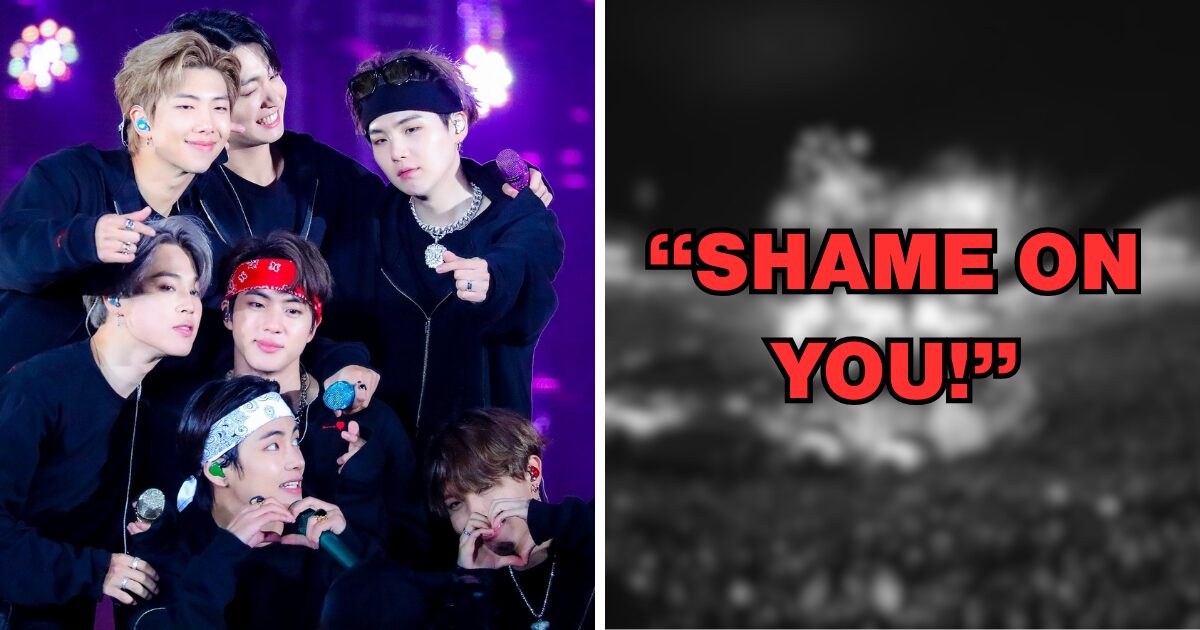
I’m so disappointed in the hybe boycott crowd. Y’all were supposed to cut the size of this fandom in half. SHAME ON YOU. Can’t do anything right
— ● ᴥ ● (@yor_art_taebear) January 24, 2026
Paying for this is directly financing a criminal, abusive, corrupt zionist conglomerate like HYBE. https://t.co/eod8WXkQPm
— . (@dark3cecil) January 13, 2026
blocking anybody that bought tickets and is encouraging people to keep trying to get tickets, we're going into the 3rd year of the boycott and y'all are slowly proving that you never gave a fuck about the point of it pic.twitter.com/X39WgsHP6y
— niko 🦷 (@cheolingostarr) January 23, 2026
the amount of people on my tl talking about getting bts tickets rn during a 2+ year boycott truly is something else.
— erin 🍉 (@matchastarcandy) January 22, 2026
Others have expressed frustration at seeing widespread ticket-buying celebrated despite the unresolved controversies surrounding the company.
i can’t imagine the amount of money hybe made with just memberships……..
— k 🌙🎧🎸🎢 (@sunflwerrmoon) January 17, 2026
y‘all have a spine as sturdy as a sponge. not one hybe fandom could stick to the boycott
— mary 🍉 (@HUHFEATHOPE) January 23, 2026
So the boycott only lasted until tickets dropped???? ☺️☺️ pic.twitter.com/qtTmwXFNvg
— ᴬᴿᴵᴿᴬᴺᴳ𝙹ꪱׁׅꪱׁׅɳυ⁷ ^᪲᪲᪲⋆⊙⊝⊜ (@jeongurlism7) January 23, 2026
At the same time, some fans argue that supporting BTS as artists should be separated from criticism of HYBE as a corporation.

Fans who upheld the boycott when it comes to voting and streaming, but purchased tickets to the shows, have also sparked backlash.
This person who boycotted is going to TWELVE dates💀 there's special place in hell reserved for these people pic.twitter.com/kFi23SH895
— yun_7 🥢 20/03 (@polar_nighttt) January 24, 2026
y‘all are embarassing af… you were on the front lines fighting for the boycott only to attempt to buy tickets? atleast attend in silence
— mary 🍉 (@HUHFEATHOPE) January 24, 2026
Suddenly people who boycotted "can change their minds" & can spend hundreds of dollars on concert tickets but those same people were calling us zios and baby killers for listening to some songs on spotify 🥴
can't even stick to their boycott just spineles, immoral and useless— yun_7 🥢 20/03 (@polar_nighttt) January 24, 2026
Ultimately, BTS’s tour has exposed a major disconnect between online boycott rhetoric and real-world consumer behavior, raising questions about whether the HYBE boycott ever had widespread backing to begin with.

BTS
BTS Jungkook’s Actions During Recent Soundcheck Linked To aespa’s Winter Sparks Divided Reactions
BTS Suga’s Possibility Of Marriage Sends Fans Into A Frenzy
Restaurant Allegedly Sells CCTV Footage Of BTS, Sparks Major Backlash
BTS Give Exclusive Gift To Select “Arirang” Concert Go-ers — Here’s How To Get It
