

International Fans Enraged After K-Netz Points Out HYBE Idol’s Facial Hair
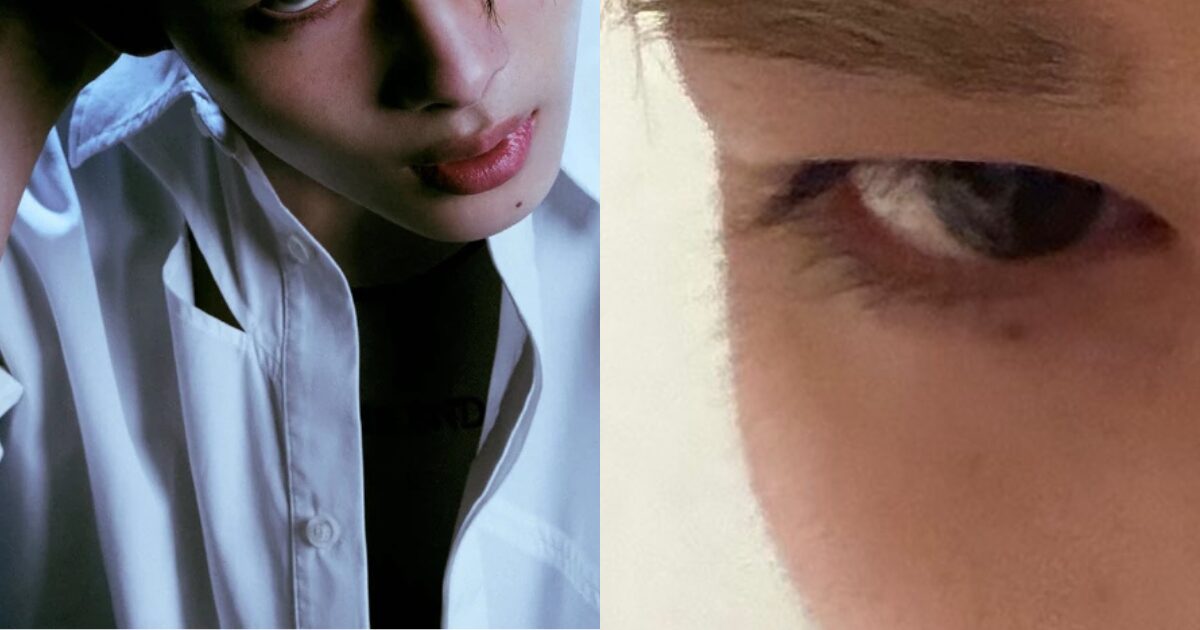

A simple tweet about ENHYPEN‘s Ni-Ki has unexpectedly turned into a heated debate between Korean and international fans.
The situation began when a Korean fan posted on X, pointing out that Ni-Ki’s peach fuzz was visible in a recent selfie. In Korean, the term “som-teol (peach fuzz)” often carries a soft, endearing nuance, similar to calling something “fluffy” or “baby-like.”
The fan reportedly meant it as a cute observation.
솜털뭐야…..?????????????
니 ㄹㅇ 오리수인임? pic.twitter.com/7ow6Z0Nwuk— 키와 (@niksoungii) February 5, 2026
What’s up with your peach fuzz? Are you truly a duckling?
niksoungji
However, when auto-translated into English, the post came across more bluntly, which some international fans interpreted as criticism or body-shaming. Many international fans quickly defended Ni-Ki.


Meanwhile, other fans stepped in to clarify that the term used was not meant negatively and that noticing peach fuzz in high-definition selfies is often seen as cute or charming, rather than something embarrassing.
Ppl attacking OP over nothing internacional engenes are actually stupid oh my God https://t.co/CR0HfeklIZ
— Kæsïosōn Issä Fürkenpusï (@simsenhorpeitos) February 5, 2026
why are people in the quoted tweets so slow and attacking OP? they're not making a negative comment, why do you have to ruin it? https://t.co/DxfdH8rgmi
— lili🐥 BELIFT RESPECT NI-KI! (@crazyoverni_ki) February 6, 2026
The incident has since become another example of how auto-translation can distort tone, especially on fast-moving platforms like X. Subtle linguistic nuance, particularly with affectionate Korean descriptors, does not always translate accurately into English.
As misunderstandings continue to unfold online, many fans are urging others to check context before reacting, reminding everyone that sometimes, what appears critical in translation may actually have been meant as a compliment.

