

South Korea Facing The Highest Number Of Suicide Deaths In 13 Years
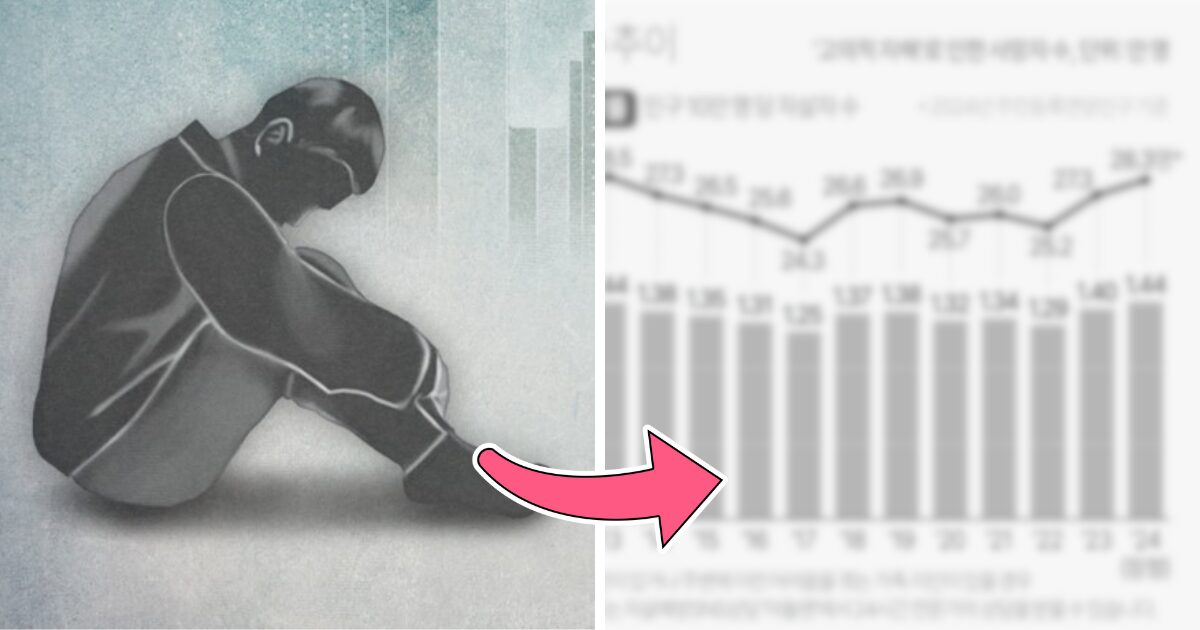

South Korea recorded its highest number of suicide deaths in over a decade, with nearly 14,439 people taking their own lives in 2024. The shocking number marks the most significant increase since 2011, despite continuous efforts to lower the country’s suicide rate.

The total figure means that, on average, about 40 people died by suicide each day last year. The suicide rate, which measures deaths per 100,000 people, reached 28.3 — its highest in 11 years. These figures indicate a reversal of the decline seen in the past decade.
The number of suicides had dropped to around 13,000 in previous years, even dipping below that in 2017 and 2022. However, 2023 saw a sharp rise, and it continued into 2024.

Men accounted for more than double the number of suicide deaths compared to women, with 10,341 cases versus 4,098. The increase was most prominent among men in their 30s, 40s, and 50s, particularly in the first quarter of the year. According to a report from Yonhap, experts suggest that media coverage of celebrity suicides may have contributed to the rise, along with factors such as economic hardship, aging populations, and lingering effects of the COVID-19 pandemic.
In response, the government has been working on new strategies to reduce the suicide rate, aiming to cut it in half within the next decade. In January, officials met with representatives from all 17 provinces and cities to discuss targeted support for high-risk groups, including those who have previously attempted suicide and their families.

With suicides increasing for two consecutive years, concerns are growing over whether South Korea can effectively address such a crisis. The government is expected to release final statistics in September, which will provide further insight into the scale of the problem and the effectiveness of ongoing prevention measures.
