

K-Pop Idols Reportedly Forming A Union To Fight Back Against Harsh Industry Conditions
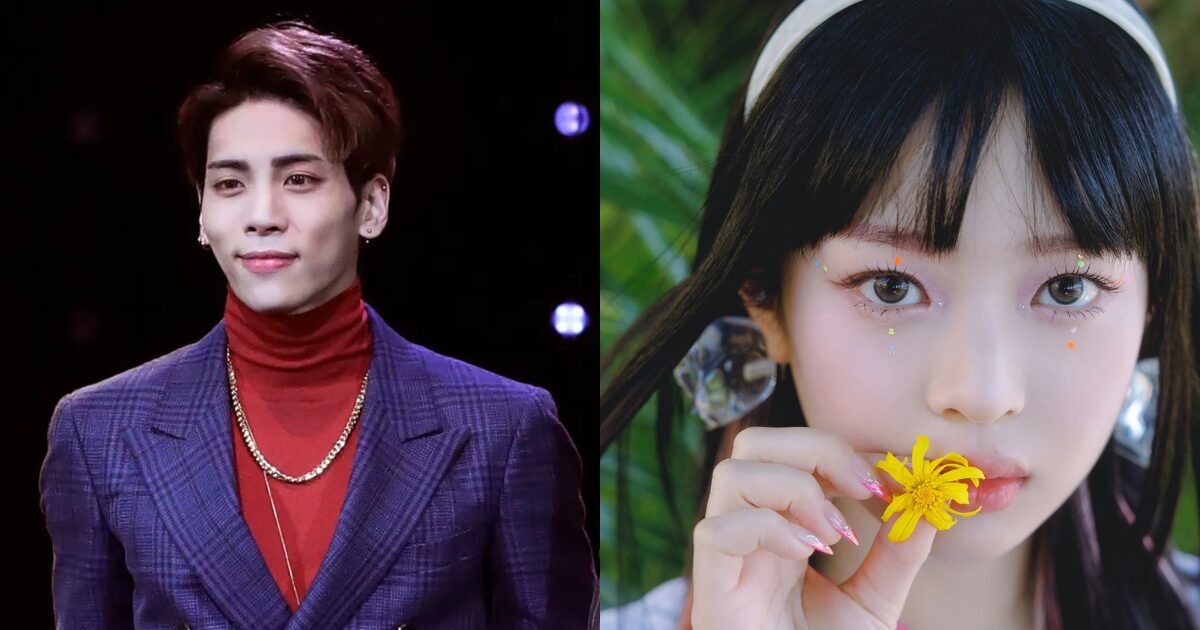

An “Idol Union” aimed at protecting the rights of idols and pop culture artists may officially launch as early as the end of this year, according to recent reports. Once established, the union plans to focus on improving working conditions, enhancing psychological and human rights protection systems, and addressing long-standing labor issues within the entertainment industry.
According to the Idol Union Preparatory Committee, the group submitted its union establishment report to the Seongnam branch of the Ministry of Employment and Labor in September and provided additional documents in October 2025 to strengthen the case for recognizing idols as “workers” under Korean labor law. The committee expects to receive official approval for the union’s formation within this month.
Seo Min Seon, a research member of the Democratic Party’s Youth Policy Research Institute, who is leading the external communications and preparation efforts, stated that around ten active singers have already joined as founding members.
The committee also sent a document to the Ministry of Culture, Sports and Tourism (MCST) titled “Request for Investigation and Institutional Improvement Regarding Mental Health Management and Malicious Comment Response for Idols and Pop Culture Artists.”
In the request, the committee asked the ministry to investigate whether entertainment agencies properly support artists in cases of online hate and harassment, including legal action, content takedown requests, and defamation lawsuits, and whether responses are made from the artist’s perspective. They further urged the government to ensure agencies enhance supervision and accountability.
The committee also called for an investigation into whether agencies maintain mental health management manuals, including protocols for notifying guardians, connecting artists to medical care, and documenting counseling sessions. If such manuals exist only in name, the committee demanded the MCST establish a standardized, legally mandated version.

They highlighted the occupational health risks idols face from intense schedules, rehearsals, filming, and overseas activities, citing cases of musculoskeletal disorders, burnout, and mental illness. The statement also criticized some agencies for excessive control over personal lives, including restrictions on dating, medical records, and social interactions, creating psychological isolation among artists.
The committee further pointed out that under the current MCST standard exclusive contract, entertainers are classified merely as “service providers,” which prevents them from receiving coverage under the Industrial Accident Compensation Insurance Act and the Serious Accidents Punishment Act. However, the committee argued that idols clearly qualify as employees under labor law.
“In reality, idols work under their agencies’ supervision and direction, at designated practice rooms or dorms, following fixed schedules and receiving regular payments. Their employment status should be recognized under the Labor Standards Act. Because idols are not legally recognized as workers, they are excluded from industrial accident insurance, the four major social insurances, and workplace harassment laws. We are even considering filing complaints against agencies that failed to report idol deaths to the Ministry of Labor — which may indicate deliberate concealment.”
If approved, this would mark the first official labor union for idols and pop culture.”

This topic has become a highly controversial one of late, thanks to NJZ (formerly NewJeans) court case with HYBE. In the case, Hanni’s testified about the workplace harassment she allegedly faced at HYBE. But on November 20, KST, the Ministry of Employment and Labor dismissed the case, ruling that Hanni did not qualify as a “worker” under current labor laws of South Korea and, hence, her experience couldn’t be considered “workplace bullying.” You can read more about it below.
