

Game Company Addresses Controversy Over Characters’ Resemblance To Two Top Idols
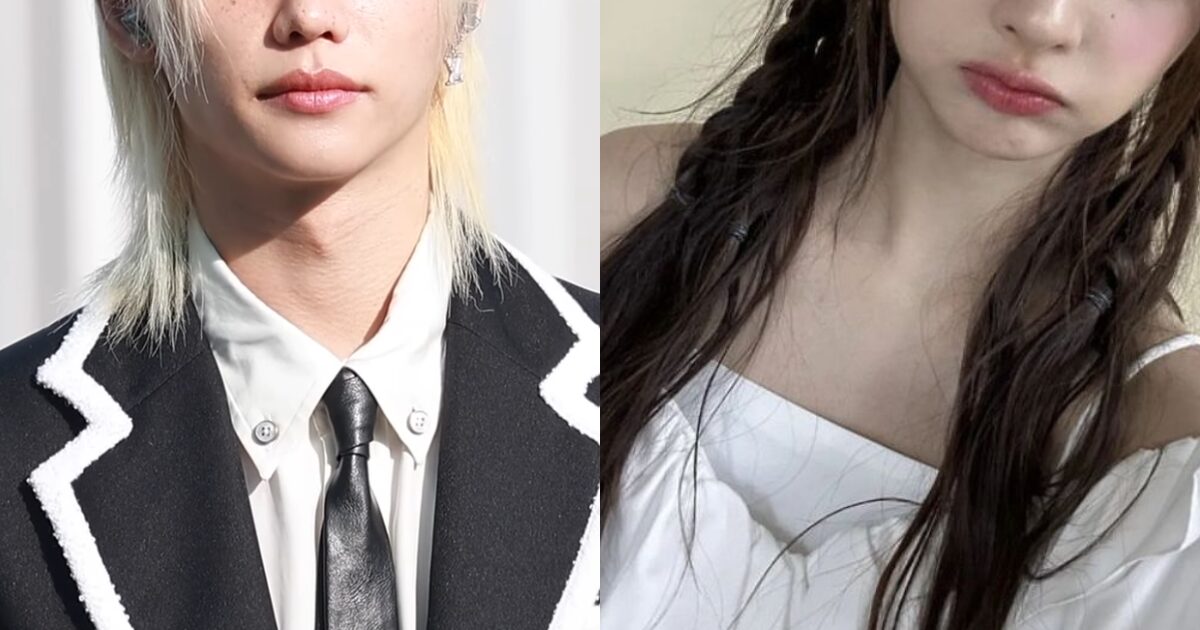

NCSoft has officially responded to growing controversy surrounding its upcoming MMORPG Aion 2, after netizens noticed that one of the game’s default character presets closely resembled NMIXX’s Sullyoon.
Popular Female Idol’s Uncanny Resemblance To A Fantasy Game Character Triggers Major Backlash
NCSoft addressed the issue, stating that the resemblance was not intentional, and that the company is considering appropriate measures moving forward. This response has been interpreted as an indirect acknowledgment of the similarity, with the possibility that the preset may be edited or adjusted.
The issue first surfaced during Aion 2’s official YouTube livestream on November 16. Viewers immediately pointed out that one of the default female presets used during character creation looked strikingly similar to Sullyoon — with some even commenting that they even had the same facial mole.

Shortly after, attention also turned to one of the male presets, which some users said resembled Stray Kids’ Felix. Screenshots and clips from the broadcast quickly spread across various online communities, further fueling the discussion.

Industry insiders noted that since these presets are created directly by the development team and offered as default options, any strong resemblance to a real person — especially a celebrity — could easily lead to controversy. The situation was seen as particularly sensitive because Aion 2 has been classified as for adults only, raising concerns that future in-game cosmetics, costumes, or animations could result in an overly sexualized depiction resembling the idol.
When asked about the situation, JYP Entertainment, Sullyoon and Felix’s agency, stated that they currently have no official position on the matter.
Meanwhile, the controversies did not end there. Shortly after Aion 2 officially launched at midnight, the game experienced login failures for nearly two hours, causing frustration among users. In addition, backlash over its in-game monetization system, particularly enhancement and engraving packages, became so severe that the developers held an emergency livestream to issue an apology.
