

Viral Post Exposing Popular Male Influencers Of “Catfishing” Sparks Heated Debate
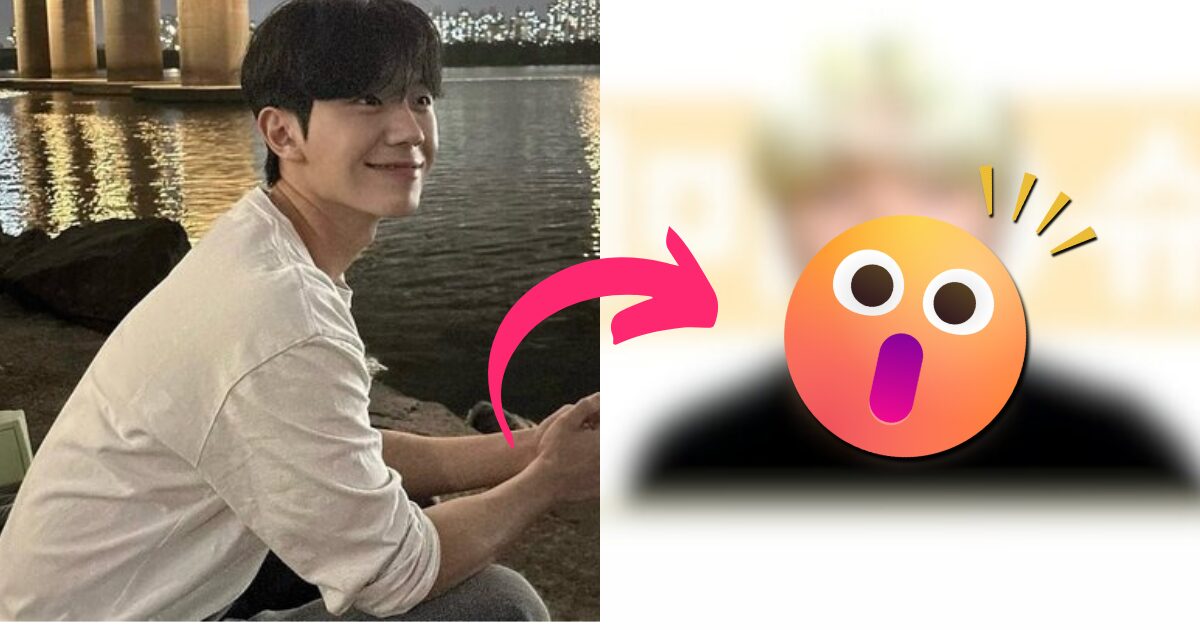

A post compiling the difference between the real-life and social media appearances of some popular male influencers has stirred up the pot on popular community sites.
The OP (original poster) talked about three popular influencers, the first being Kim Soo Min. Boasting over 323,000 followers on Instagram, Kim is a model and a travel and fashion blogger. He is also known for being a student of the prestigious Seoul National University (SNU).


Compared to his Instagram pictures, his face appeared quite different in videos, as the OP pointed out.


The next influencer on the list goes by the name Soo Sung on Instagram, where he has amassed over 134,000 followers. A student of SNU as well, he usually posts lifestyle content on social media.


The “real-life” picture of Soo Sung that the OP posted appeared to be older, when he had platinum blond hair.


Finally, the third influencer on the list is Heo Seong Beom, who became popular through the reality show University War. A student of Korea Advanced Institute of Science & Technology (KAIST), Heo now works as an AI researcher. With a following of 1 million, he is also active as an influencer on Instagram.

Pointing to a photo from his appearance on University War, the OP claimed that Heo’s social media appearance had been morphed.

In less than a day, the post has amassed over 110,000 views, with comments engaging in a heated debate. While some agreed with the OP’s point of view, others stepped in to defend Heo Seong Beom in particular.

- “Wow, their editing skills are also at the SNU level.”
- “The first two are magicians…”
- “Isn’t this just forcing hate on Heo Seong Beom? I get that his image isn’t that great, but there are so many videos out there.
- “At least for the last one, he does look handsome in videos, but the others… seriously… don’t they have any self-awareness?”
- “Don’t they feel a sense of emptiness or a harsh reality check when they notice the gap between their real selves and their public image…?”
While these examples are a good reminder of how social media can be deceptive, they also testify to how younger people are constantly under pressure to adhere to superficial standards for easy appeal.
